Digitizes Journey Planning
Streamlines journey planning processes by digitizing tasks and routes, enhancing efficiency and accuracy.
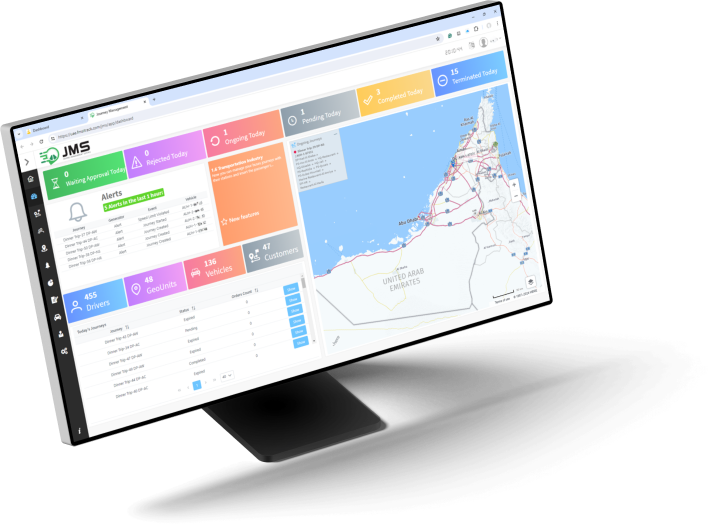
Advanced tools and planning framework to minimize transportation risks, prioritize safety, and reduce unnecessary costs in fleet operations.
A Journey Management Plan is typically a set process that you follow for planning and undertaking road transport journeys in compliance with requirements, with the goal of arriving safely. There are many industries where driving is an essential part of work. It is also one of the most dangerous activities an employee will undertake as part of their duties. Driving is the most dangerous work activity, which is why journey management is so important. A journey management plan outlines the steps required to be as safe as possible before, during, and after each work-related trip. It can include the steps to take before a journey, like proper vehicle maintenance, driver behaviors like rest and what they consume before driving, and the time of day the journey commences. When the trip is completed, vehicle inspections are important, and drivers should ensure they get plenty of rest – especially after driving for long distances.
“Our Journey Management comprises a wholly online process incorporating journey requests, journey approvals, and journey monitoring, integrated with our fleet management platform, making it a unique and valuable offering.”


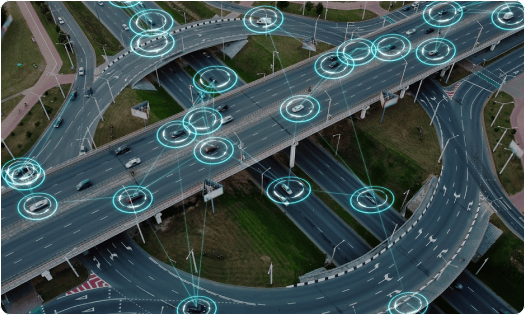
Define fleets’ tasks and determine your own criteria for starting and ending those journey tasks. Specify the waypoints and road constraints, and optimize your fleet performance.

Arrange the tasks by introducing your desired workflow, applying the desired policy, and enforcing approvals prior to fleet movements.

Notifications are sent to both the driver and operator, along with real-time updates, to the back office.

Use our innovative report builder, orchestrate the data, shape it in the way you prefer, add your desired aggregation functions, and then enjoy your tracking data visualization.

Equip your drivers with the tool that makes their trips and performance truly efficient.
Our AI Dashcam revolutionizes fleet safety by leveraging state-of-the-art AI processors and advanced computer vision algorithms. Our groundbreaking technologies are designed to enhance your fleet safety and effectively mitigate risks on the road.
Planned journeys are captured in the system, associated risks relating to the driver, environment, and asset are identified, and a risk rating of the journey is calculated. The journey follows a flexible approval workflow management process based on the risk rating.
FMSiTrack vehicle tracking systems enable journeys and vehicles to be automatically monitored from the initial stages of planning through to approval and dispatch. The system generates exceptions and real-time notifications are then sent to operations staff.
FMSiTrack software can issue exception-based notifications, such as deviation from a route plan, progress, and status updates so that operations staff are immediately notified while a journey is underway and being monitored. A consolidated landing page of journey activity and status makes light work for operations staff.
The solution enables electronic road hazard assessments by approved route assessors. Before a journey, roads are checked for potential hazards like roadworks, weight limitations, and height restrictions. The information is then stored and used for future journeys following the same route.
FMSi Journey Management enables various static compliance checks to take place. These involve drivers (e.g., licensing and certification), passengers (e.g., seatbelt allocation per vehicle), and cargo (e.g. if the vehicle is certified to carry the cargo).
Journey management data can be useful for Key Performance Indicator (KPI) reporting. For example, managers can assess the number of journeys in a month, how many were approved and by whom, how many were deemed high-risk, and how many were completed as planned. Cube technology also enables the visualization of data as opposed to using static reports.

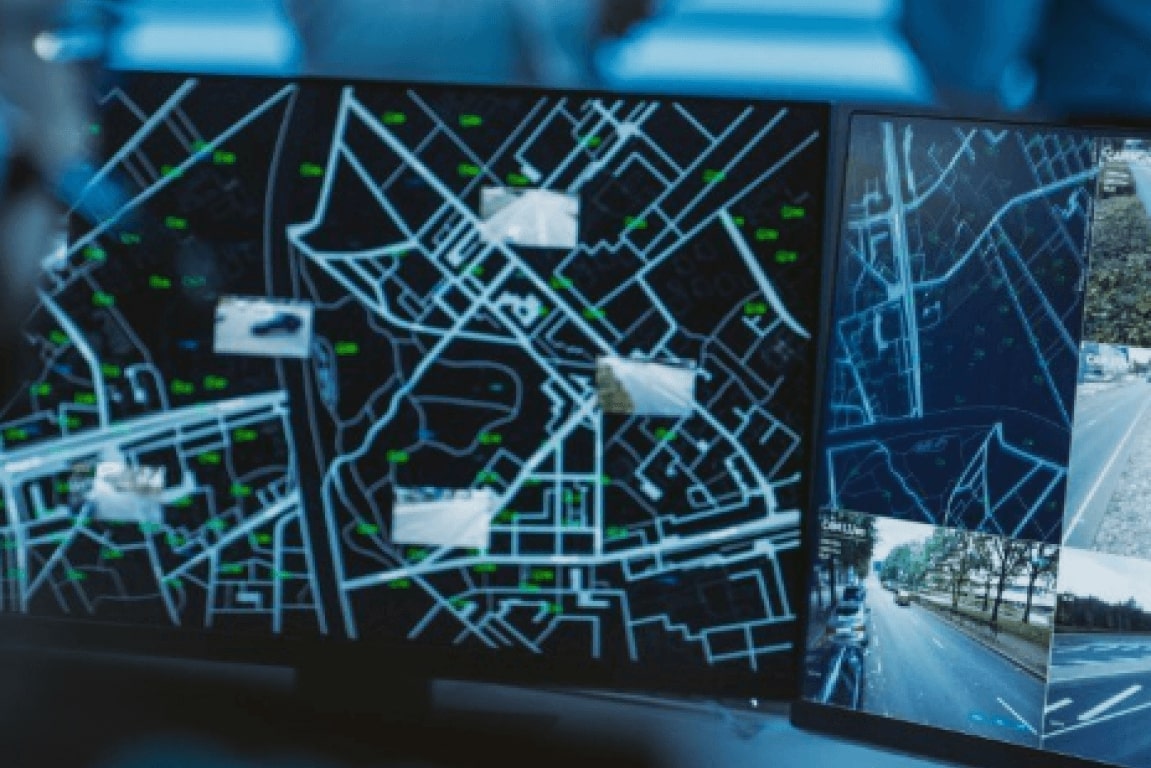





Streamlines journey planning processes by digitizing tasks and routes, enhancing efficiency and accuracy.

Automatically optimizes routes to ensure the most efficient paths are taken, saving time and fuel costs.

Enhances fleet utilization by optimizing routes and allocating resources effectively, leading to increased productivity.

Optimizes resource allocation by assigning tasks based on real-time data and demand, reducing wastage and improving efficiency.
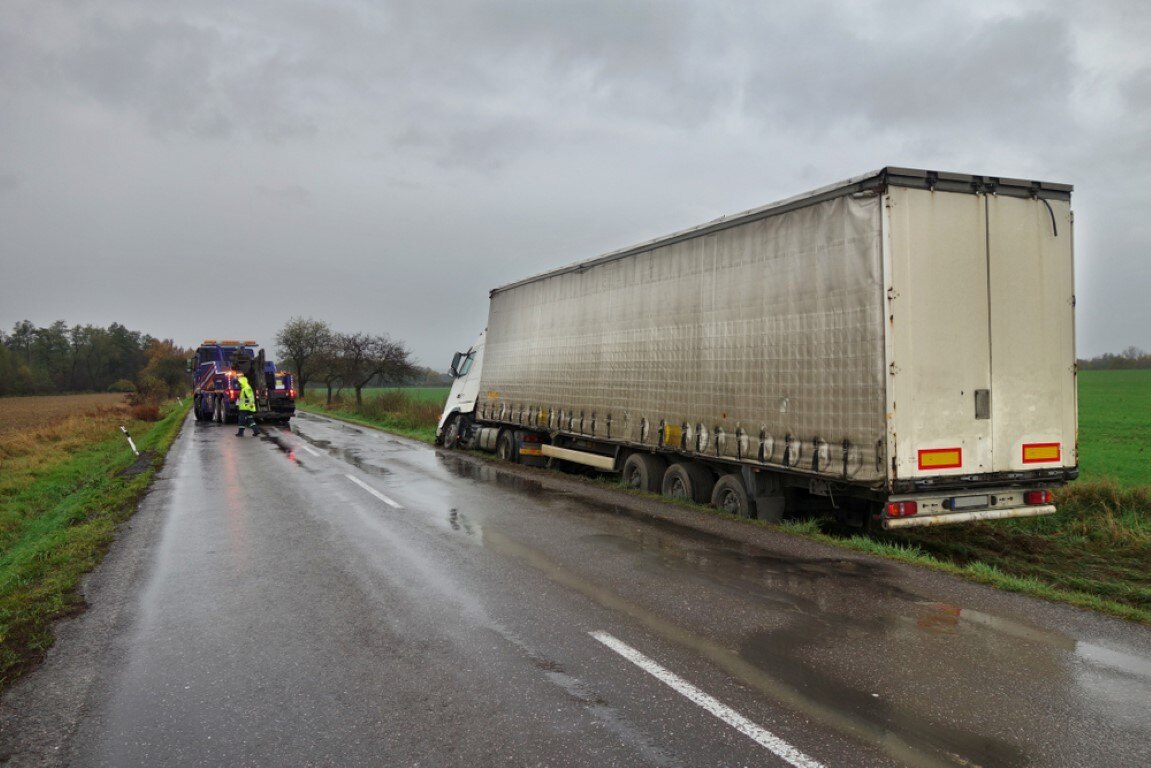
Minimizes lost time incidents by providing real-time monitoring and alerts for potential risks and hazards along the journey.

Enhances time attendance and job completion rates by providing accurate scheduling and monitoring tools for drivers.

Prevents unauthorized trips by implementing strict journey management protocols and monitoring systems.

Offers weather-based journey planning to mitigate risks and ensure safe and efficient travel in adverse conditions.

Improves risk assessment capabilities by analysing route data and identifying potential hazards or obstacles in advance.

Increases operational efficiency by providing accurate estimations of arrival times, enabling better planning and coordination of activities.
A Journey Management System is a structured digital process for planning, approving, monitoring, and reviewing every work-related road trip before, during, and after it takes place. Unlike basic GPS tracking – which tells you where a vehicle is – a JMS ensures that every journey is risk-assessed, authorized, and actively monitored against a plan. This matters because driving is statistically the most dangerous work activity an employee undertakes. A JMS formalizes the steps needed to make every trip as safe as possible, whether that means checking driver certification, assessing road hazards, enforcing rest requirements, or ensuring cargo is certified for the vehicle carrying it.
Route planning answers the question: what is the most efficient path from A to B? A Journey Management Plan answers a broader and more critical question: is this journey safe to undertake at all, and under what conditions? FMSi’s JMS goes beyond routing to capture associated risks – relating to the driver, the environment, and the asset – calculates a risk rating, routes the journey through an appropriate approval workflow, monitors it in real time against the plan, and generates compliance records after completion. It is a governance and safety framework, not just a navigation tool.
Any industry where driving is a core work activity and where road risk carries serious liability – Oil & Gas, Transportation & Logistics, Construction & Heavy Machinery, Passenger Transportation, Government & Utilities, and FMCG & Distribution – benefits significantly from a formal JMS. In oil & gas and construction in particular, journey management is frequently a contractual or regulatory requirement mandated by operators such as ADNOC or major international oil companies (IOCs). For passenger transport operators, it supports compliance with RTA and local authority requirements around driver certification, vehicle fitness, and route approvals.
Accidents involving work vehicles are rarely random – they follow identifiable patterns of inadequate planning, driver fatigue, unassessed road conditions, or unauthorized route deviations. FMSi’s Journey Management System addresses each of these systematically. Before a journey begins, risk factors related to the driver (licensing, rest, certification), the environment (road hazards, weather conditions, time of day), and the vehicle (fitness, cargo certification) are assessed and rated. High-risk journeys require higher-level approvals before dispatch. During the journey, any deviation from the approved route or plan triggers instant alerts to operations staff. After completion, data feeds into KPI reporting to identify patterns and improve safety standards over time.
FMSi’s JMS issues exception-based real-time notifications the moment a deviation occurs – to both the driver via the mobile app and to operations staff via the back-office platform. A consolidated landing page gives operations teams an at-a-glance view of all active journeys and their current status, so no exception goes unnoticed. This is critical in high-risk environments like oil field logistics or remote area transport, where an unresponsive vehicle could indicate a breakdown, accident, or security incident requiring immediate response.
Every journey in FMSi’s JMS must go through a defined request and approval process before the vehicle moves. The risk rating of the planned journey determines the approval level required – low-risk journeys may be auto-approved or require a single supervisor sign-off, while high-risk journeys escalate to senior management. Vehicles that move without an approved journey plan are flagged as exceptions immediately. Combined with driver identification, this means every trip is tied to a specific driver, a specific approval chain, and a documented risk assessment – eliminating the grey area of informal or ad-hoc vehicle use.
Yes. The JMS includes a robust reporting module that tracks every journey through its full lifecycle – request, risk assessment, approval, monitoring, and completion. Management can extract KPI reports showing total journeys in a period, approval rates and approvers, proportion of high-risk journeys, on-plan completion rates, and exception frequencies. FMSi’s report builder also supports data visualization through cube technology, allowing managers to configure and view journey data in the format most useful for their operation – going beyond static PDF reports to interactive dashboards.
FMSi’s JMS is specifically designed to reduce the cognitive load on operations staff. Rather than watching individual vehicles on a map, the platform provides a consolidated journey monitoring dashboard – a single landing page showing the status of all active journeys simultaneously, with exception-based alerting. Staff are only drawn to attention when something deviates from plan. This means a lean operations team can effectively monitor a large fleet without missing critical events, rather than being overwhelmed trying to track every vehicle movement individually.
By digitizing journey planning and automating route optimization, FMSi’s JMS eliminates the inefficiency of manual scheduling and ad-hoc trip assignment. Routes are optimized for the most efficient paths, reducing fuel consumption and journey time. Resource allocation is based on real-time data rather than gut feel, reducing the frequency of double-bookings, idle vehicles, or drivers running unauthorized personal trips. The result is a measurable improvement in fleet utilization – more productive journeys completed with the same or fewer assets.
Yes. Drivers are equipped with a dedicated mobile app that gives them the tools to make their trips genuinely efficient. Through the app, drivers receive their journey plan and waypoints, get real-time notifications if conditions change, and can communicate their status back to the operations center. This replaces unreliable phone calls and manual check-in processes with a structured, documented communication channel – reducing the administrative burden on both drivers and operations staff while creating a timestamped record of driver activity throughout the journey.
FMSi’s JMS is a fully integrated module within the FMSiTrack platform – it is not a standalone product bolted on separately. Journey requests, approvals, and real-time monitoring are all connected to the same vehicle tracking, telematics hardware, and reporting infrastructure. This means a journey plan is automatically cross-referenced against live vehicle data – actual GPS position, speed, and behavior – so deviations are detected automatically without requiring manual comparison. The integration also means journey data enriches the platform’s broader analytics, driver scorecards, and maintenance records, giving fleet managers a truly unified operational picture.
FMSi’s JMS stands apart on two dimensions: regional depth and process completeness. Many global providers offer route tracking or basic trip monitoring. FMSi’s JMS is a wholly online end-to-end process – from journey request through risk assessment, approval workflow, real-time monitoring, exception management, and post-journey reporting – all tightly integrated with fleet telematics hardware. For the GCC market specifically, FMSi’s 20+ years of regional experience means the system is calibrated for the operational realities of the region: remote desert routes, oil field access constraints, multi-nationality driver compliance requirements, and authority-specific regulatory frameworks that generic global platforms frequently miss.
Explore the latest updates from FMSi when you view our blog articles.